

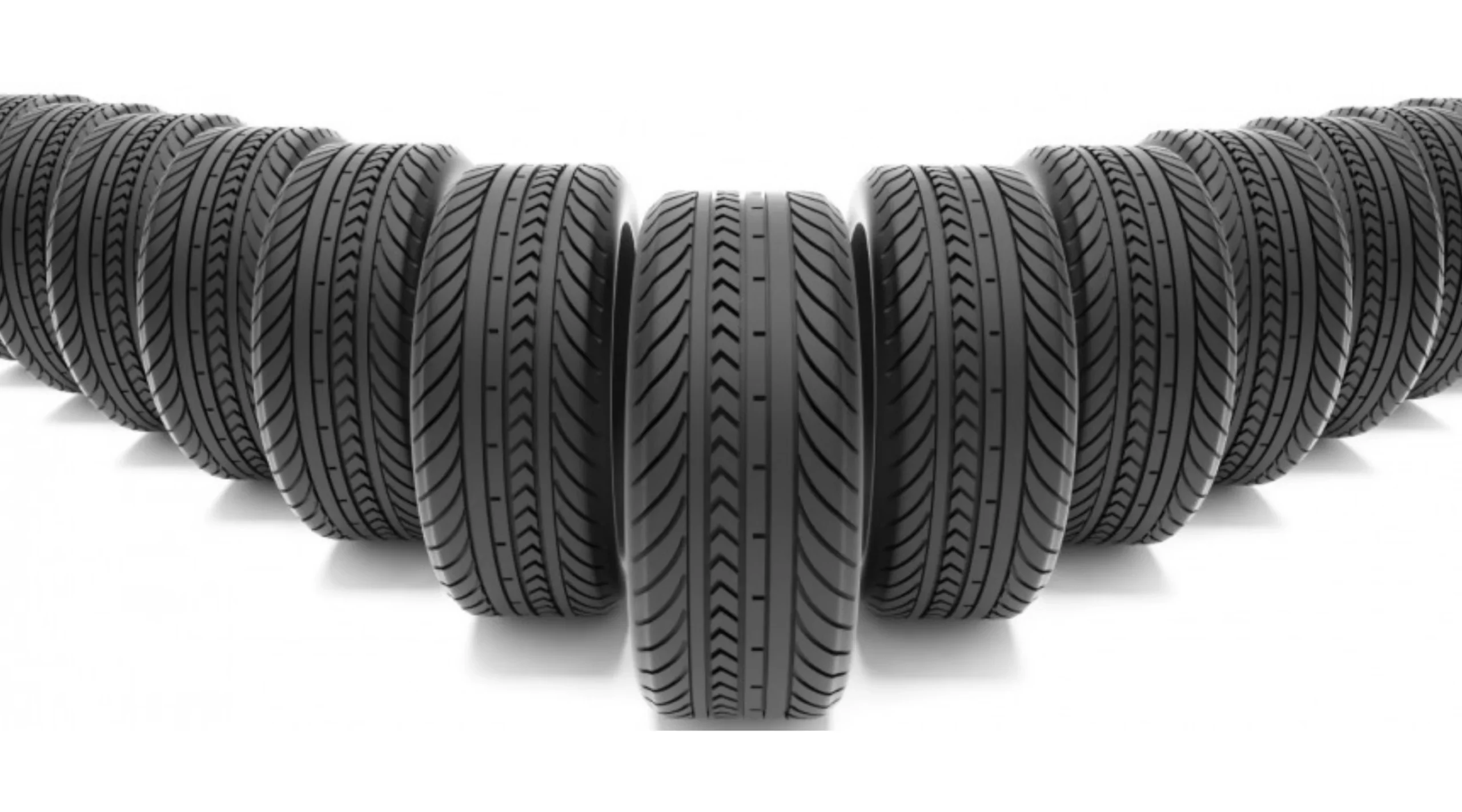
Tyres deal with the road every time the car moves, so wear is normal. Over time, the tread gets lower, and the surface doesn’t hold the road the same way. At first, it’s easy to ignore. The car still drives, just not as clean as before. Later, that difference becomes more noticeable, especially in rain or sharp turns.
A proper service looks at the full condition, not just how the tyre looks from the outside. Size, type, and how the car is used all play a part in choosing the right replacement. Sometimes the tyres are still usable but are wearing unevenly, which can affect how the car feels.
The process stays simple. The tyres are checked, the condition is explained, and then you decide what to do before anything is fitted.
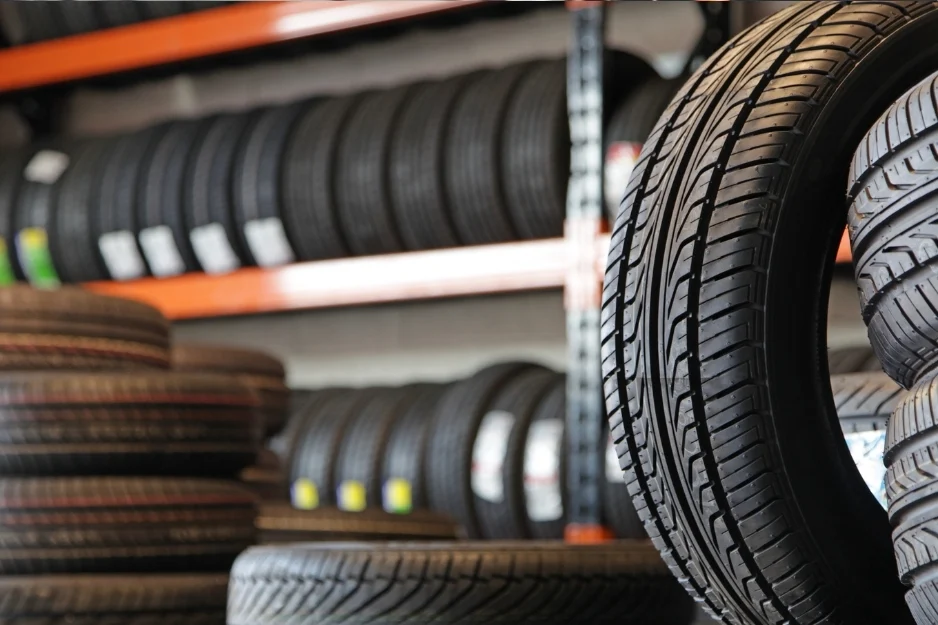
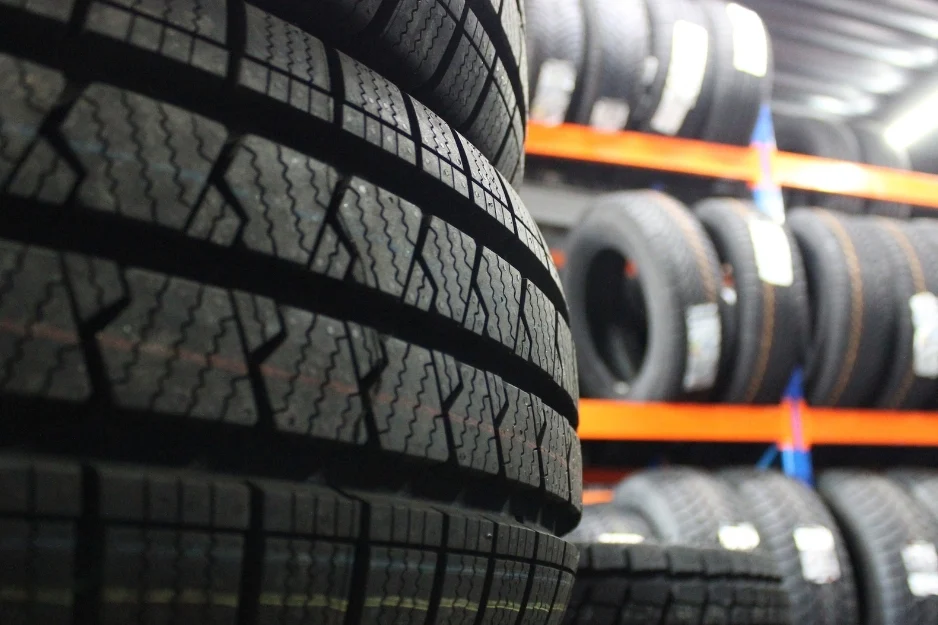
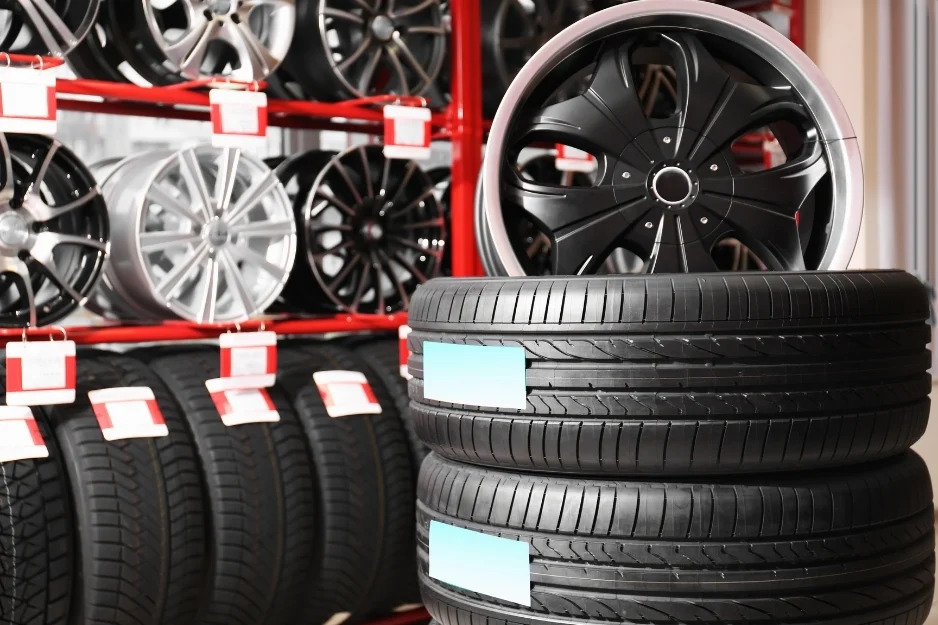
Nothing extra here, just making sure everything sits right and works the way it should.
It usually starts with a close look at the current tyres. Tread depth, surface wear, and balance are checked to see what’s going on.
Once it’s clear what’s needed, the right tyres are fitted. After that, everything is checked again, so the drive feels steady and nothing feels off.
The early signs are not always serious. Maybe the grip feels weaker, or the car doesn’t sit as steady on the road. Sometimes there’s a slight vibration that wasn’t there before.
Even if it still feels manageable, those small changes don’t stay the same. It’s usually easier to deal with it before it gets worse.
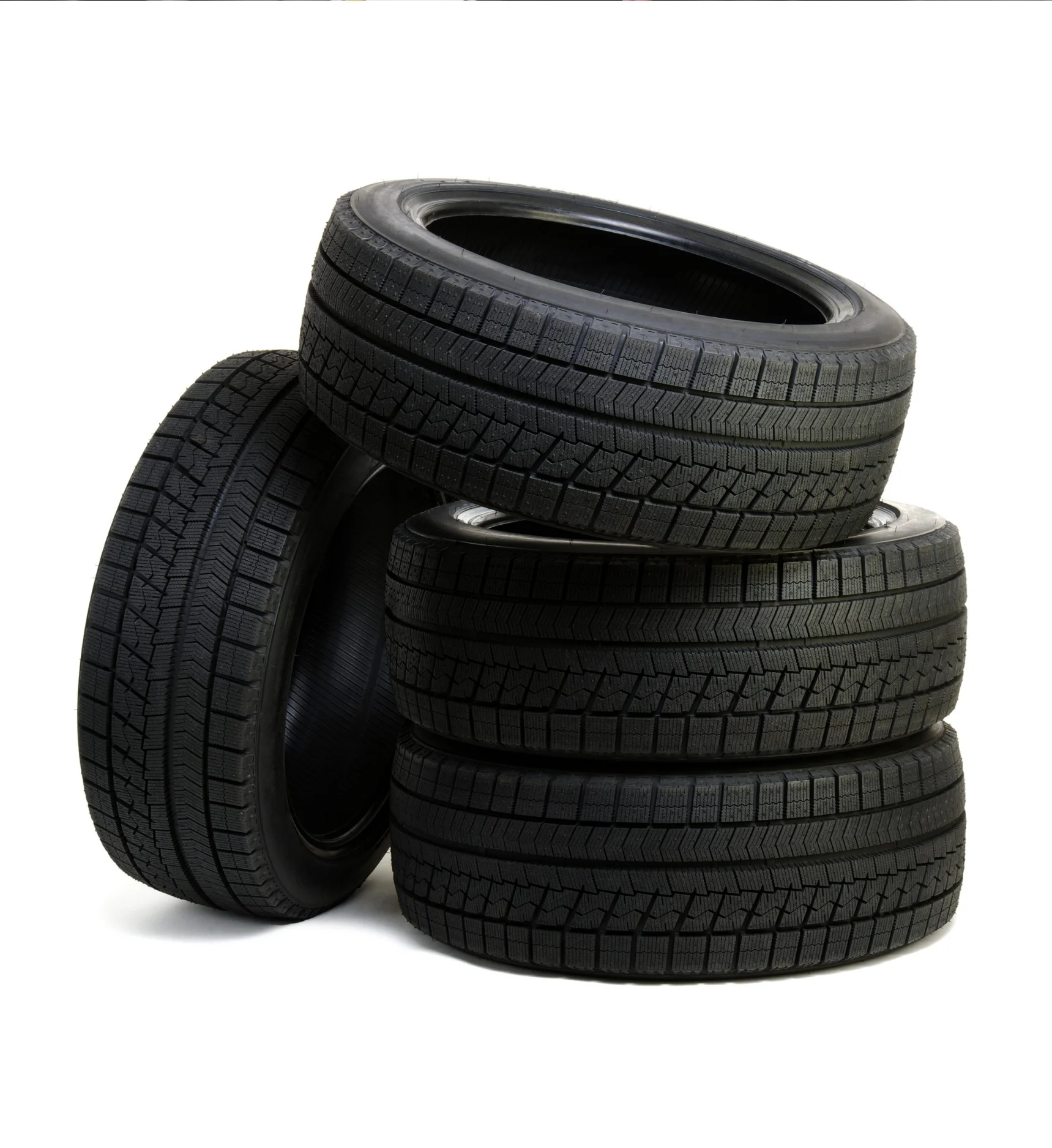
When tyres are in good condition, the car feels more stable without you thinking about it. Steering feels more direct, and braking doesn’t feel delayed.
That kind of control matters more in sudden situations than anything else.
You’re told what the tyres actually look like, not pushed into changing them if they still have some life left. If they’re worn enough to replace, that’s explained clearly.
No pressure. Just a clear picture so you can decide.
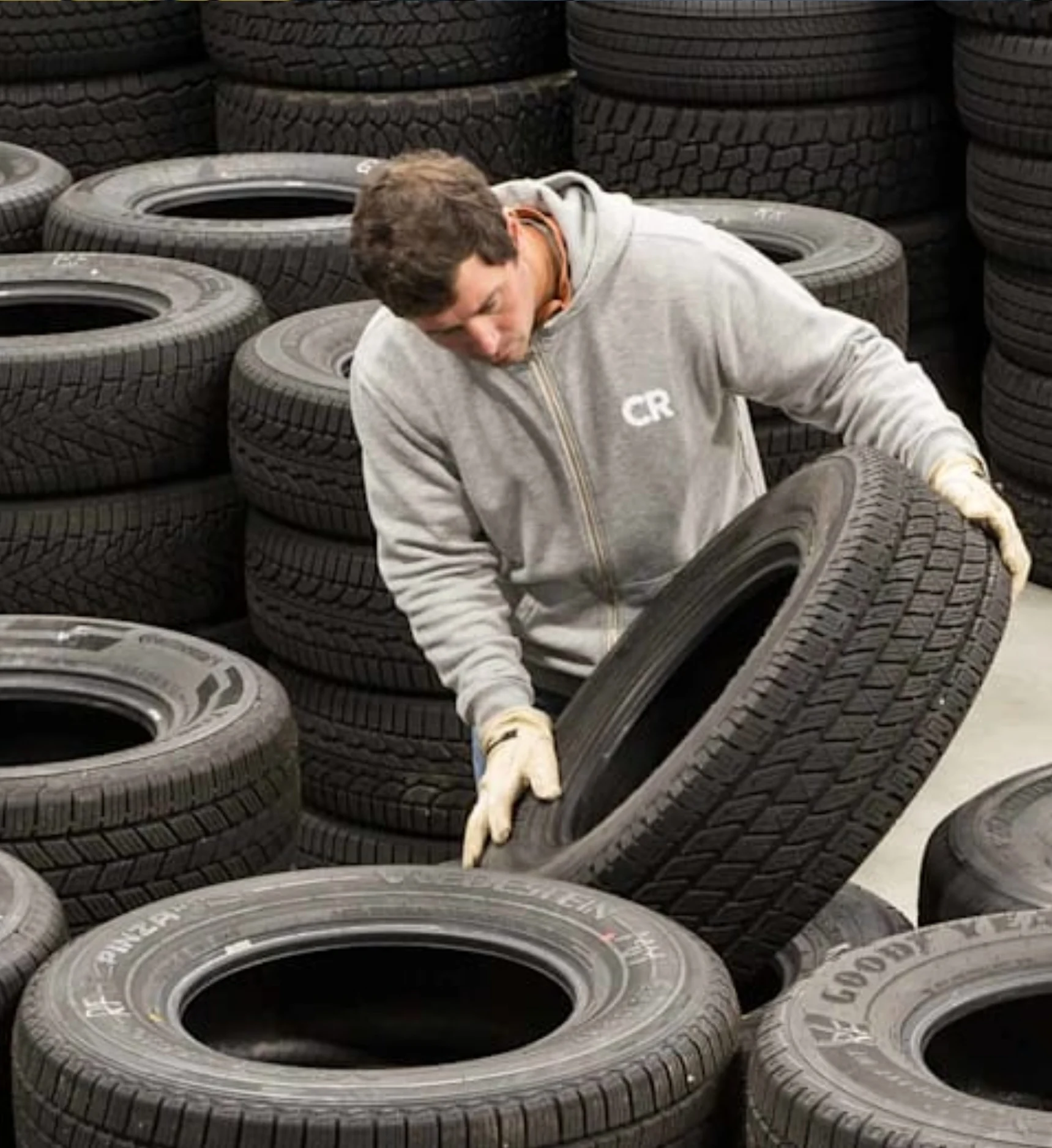
Worn tyres don’t always wear evenly. One side can go faster than the other, which changes how the car sits and moves.
Taking care of it earlier usually keeps things simpler and avoids more uneven wear later.
When the tyres feel right, you don’t really think about them. The car responds the way you expect, and everything feels more controlled.
That’s usually how it should be.
It involves checking current tyres and fitting new ones if needed.
When the tread gets low or the grip starts to drop.
Less grip, uneven wear, or slight vibration.
Yes, they can reduce control and stability.
It depends on how many tyres are being changed.
Yes, balancing is usually part of the process.
It depends, but matching tyres is often better.
Yes, they help the car feel more stable.
It can increase risk, especially in poor road conditions.
Start with a tyre check to see their condition.